objects in mirror are closer than they appear | berlin
Sophronia Cook, Dorota Gawęda & Eglė Kulbokaitė, Lou Jaworski, Gary Kuehn, Nicolás Lamas and Michael Venezia
25 Nov 2025 - 24 Jan 2026
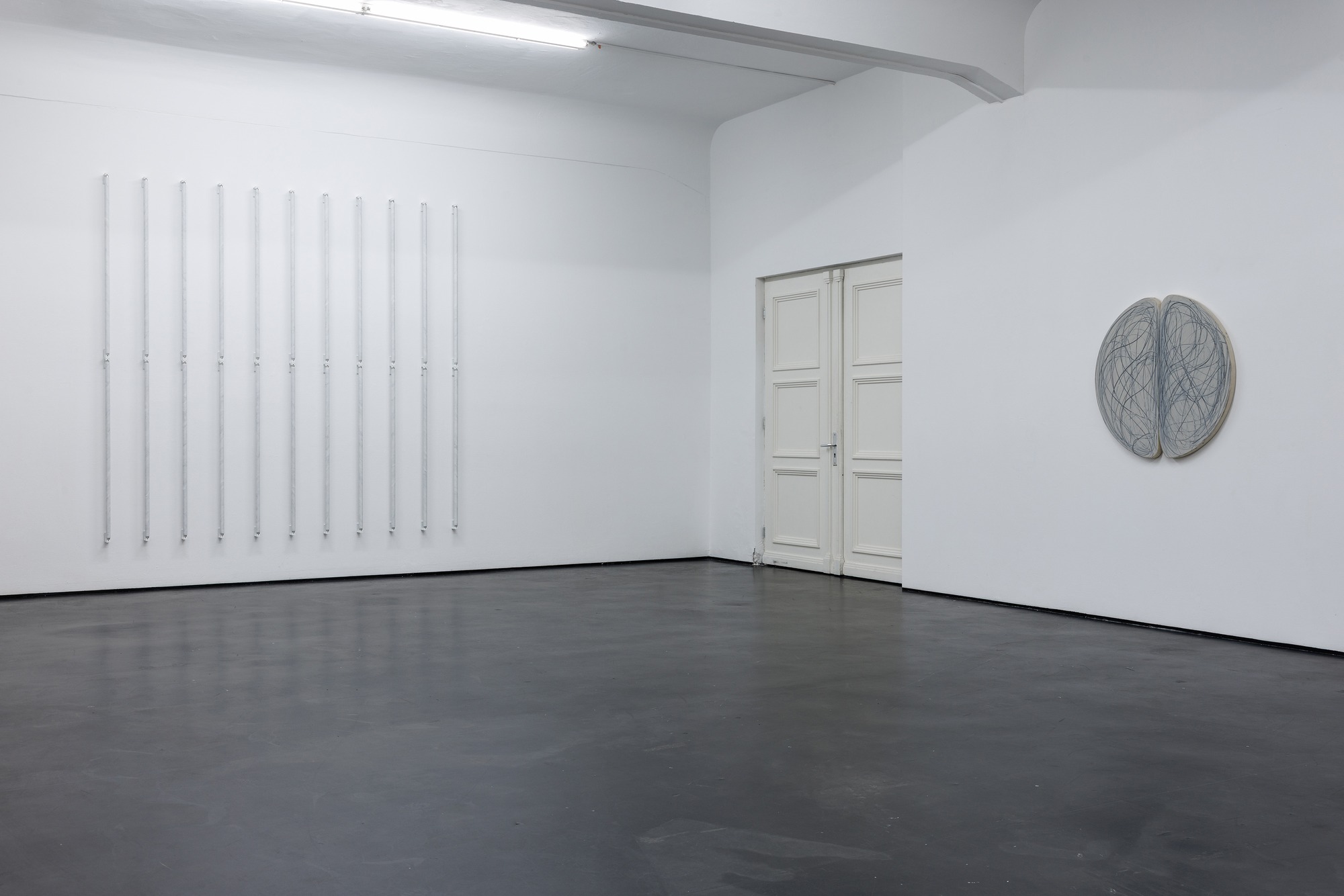
Installation view Berlin, objects in mirror are closer than they appear, 2025, courtesy of max goelitz, copyright the artists, photo Frank Sperling
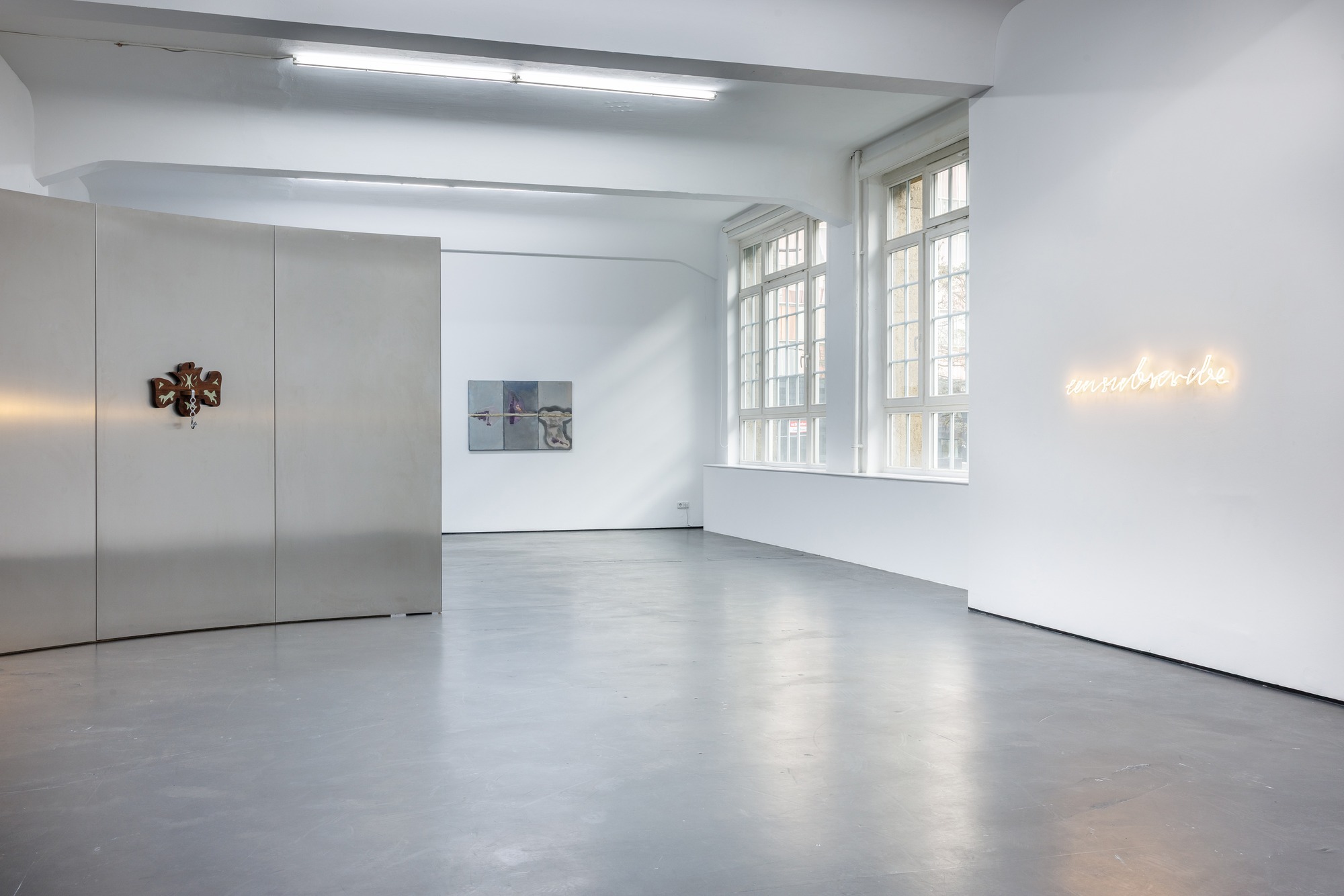
Installation view Berlin, objects in mirror are closer than they appear, 2025, courtesy of max goelitz, copyright the artists, photo Frank Sperling
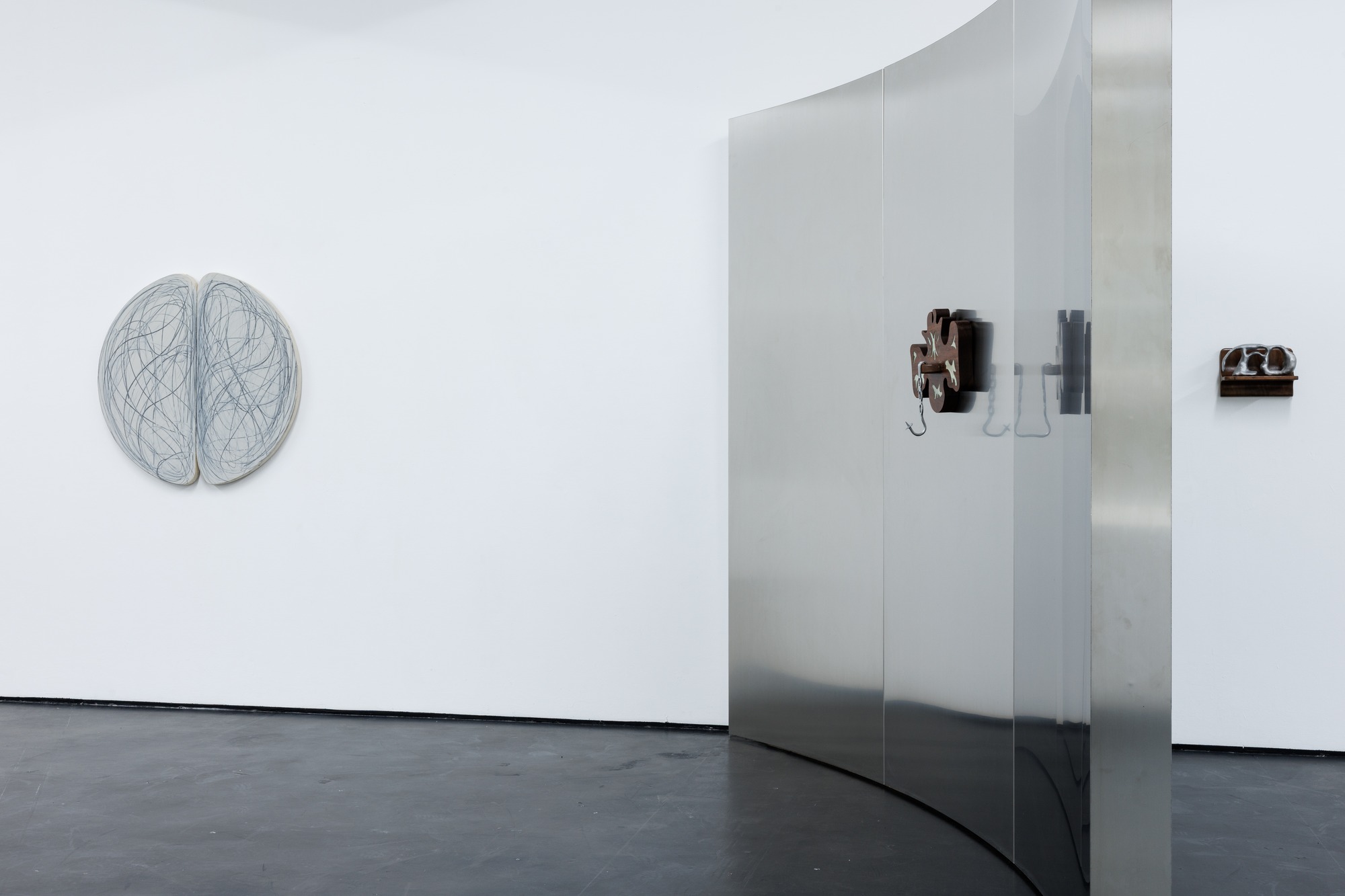
Installation view Berlin, objects in mirror are closer than they appear, 2025, courtesy of max goelitz, copyright the artists, photo Frank Sperling
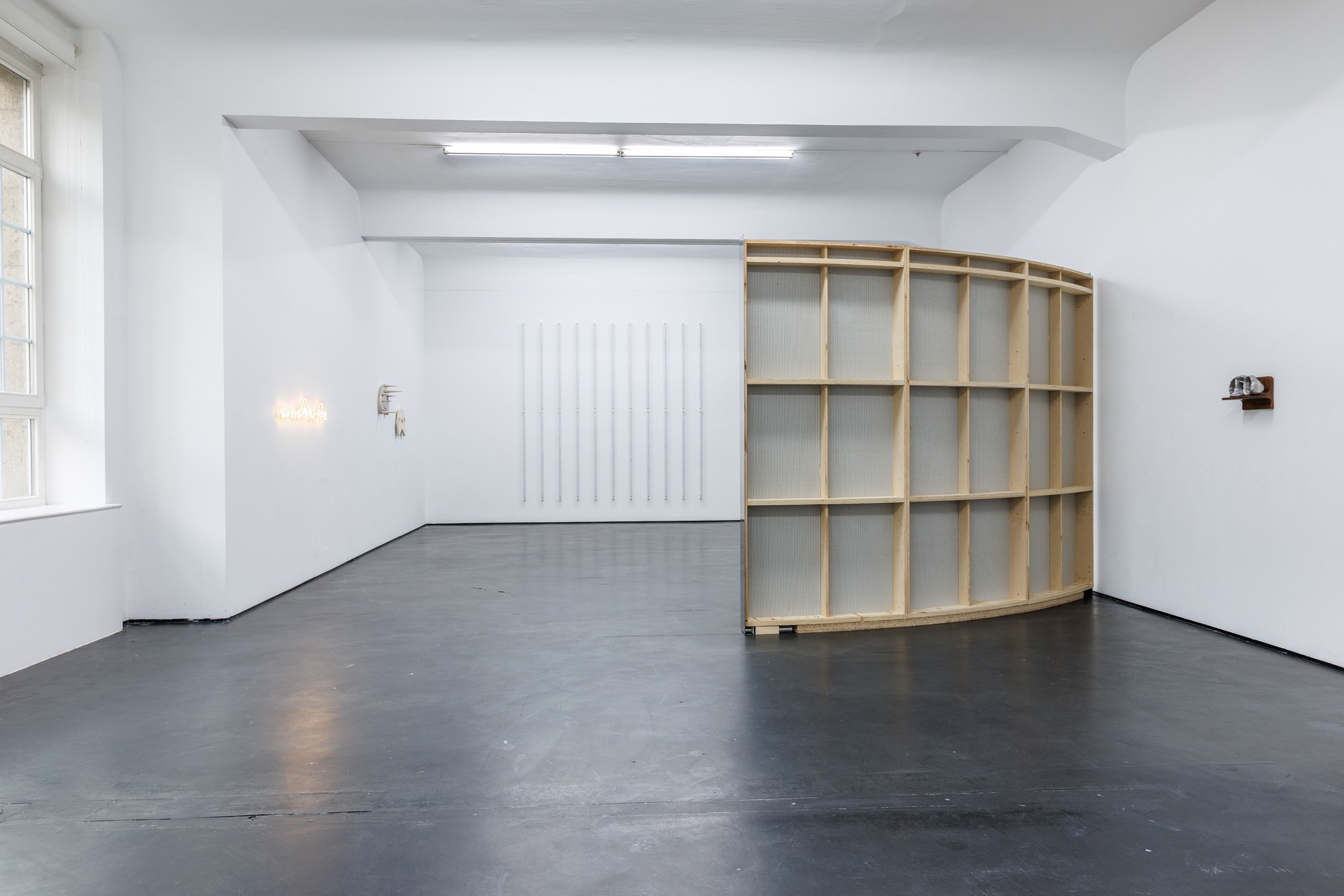
Installation view Berlin, objects in mirror are closer than they appear, 2025, courtesy of max goelitz, copyright the artists, photo Frank Sperling
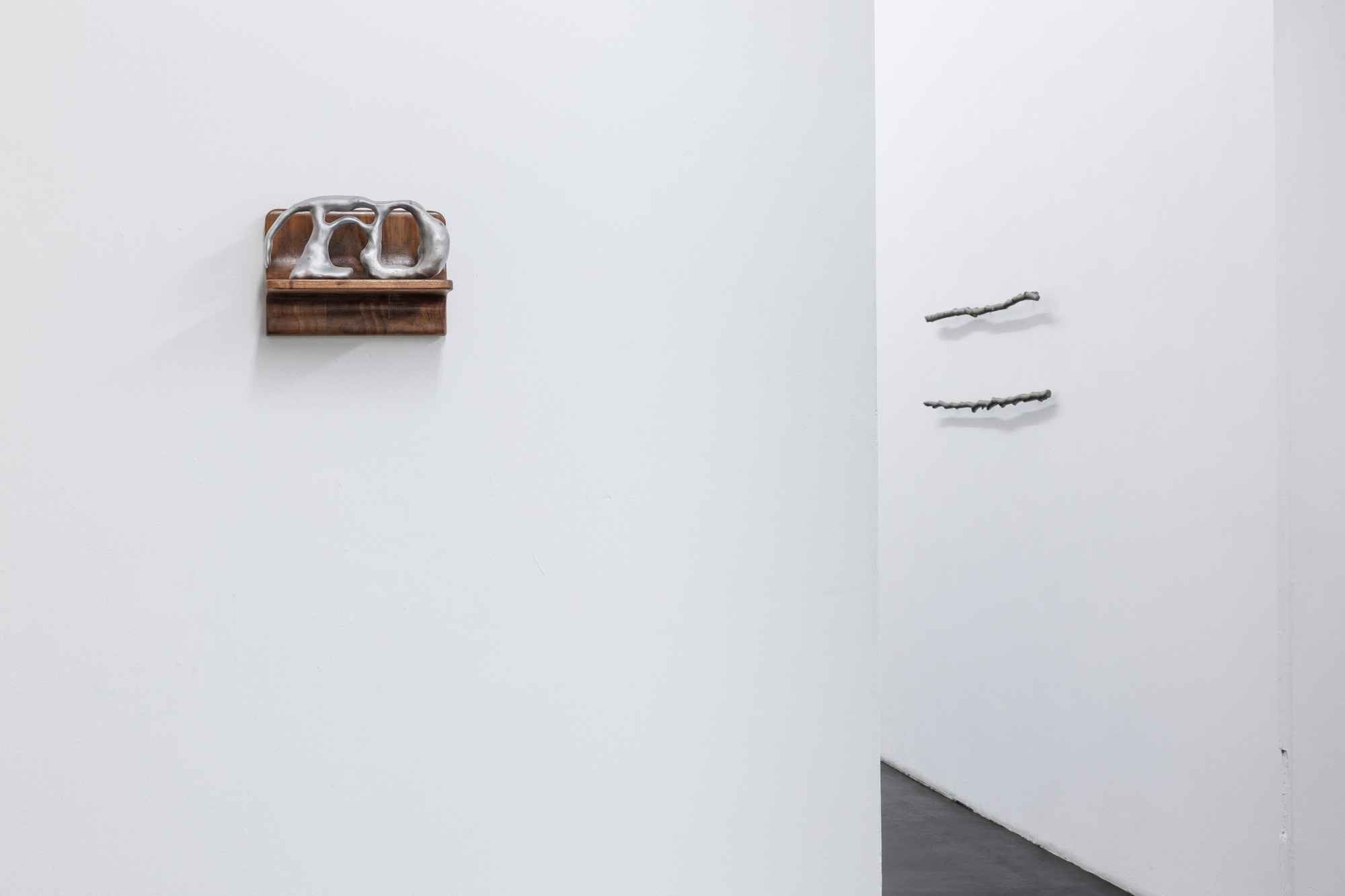
Installation view Berlin, objects in mirror are closer than they appear, 2025, courtesy of max goelitz, copyright the artists, photo Frank Sperling
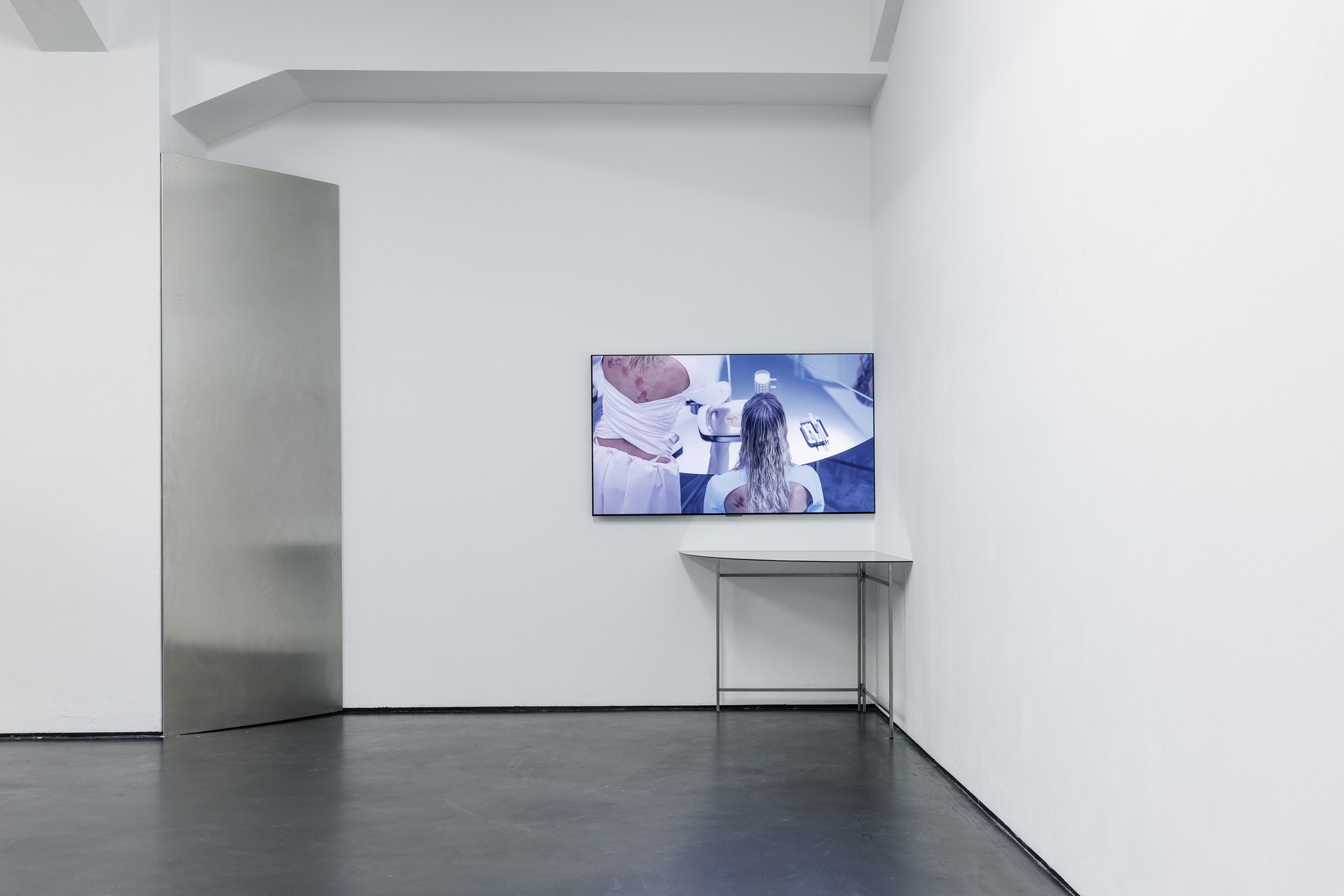
Installation view Berlin, objects in mirror are closer than they appear, 2025, courtesy of max goelitz, copyright the artists, photo Frank Sperling
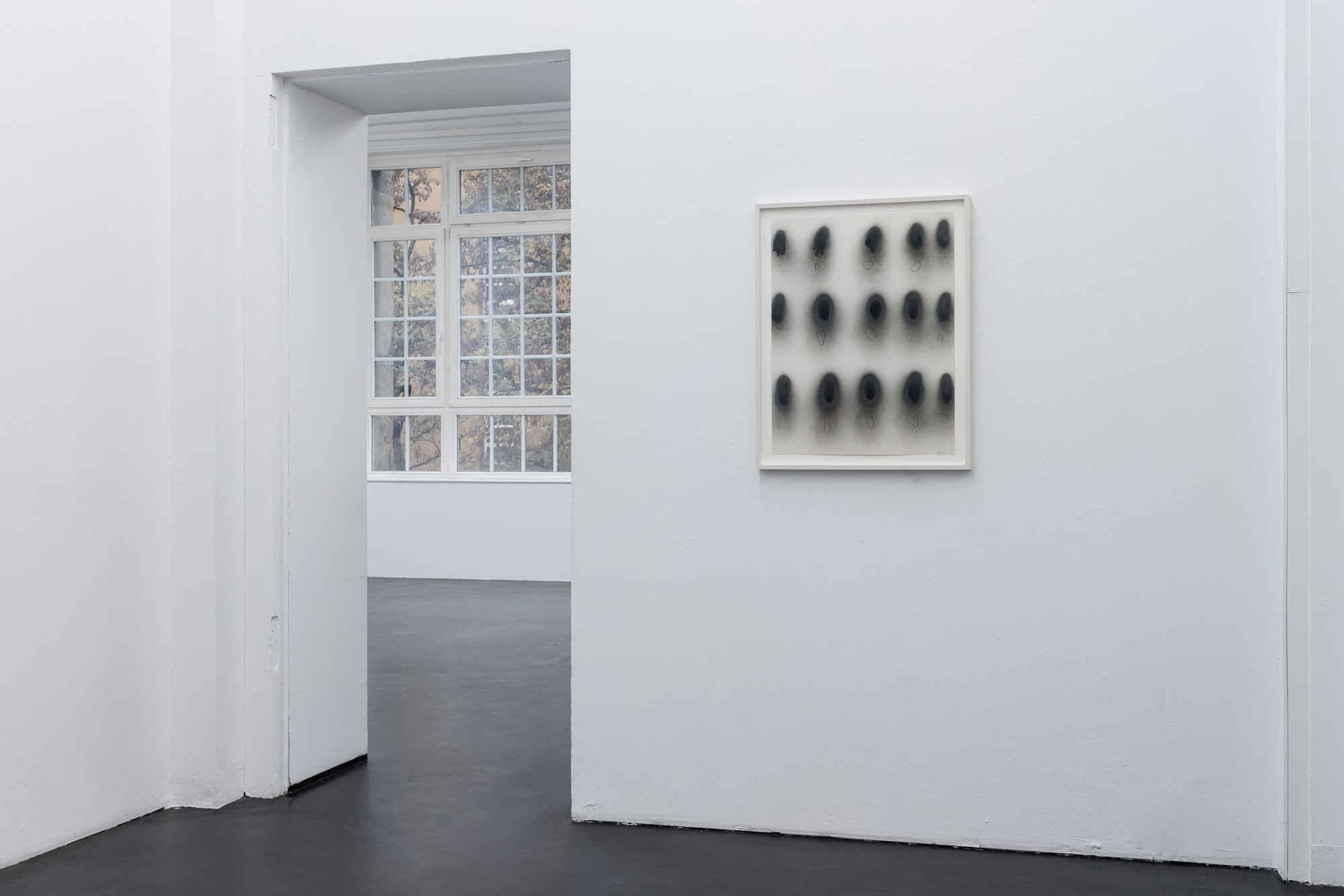
Installation view Berlin, objects in mirror are closer than they appear, 2025, courtesy of max goelitz, copyright the artists, photo Frank Sperling
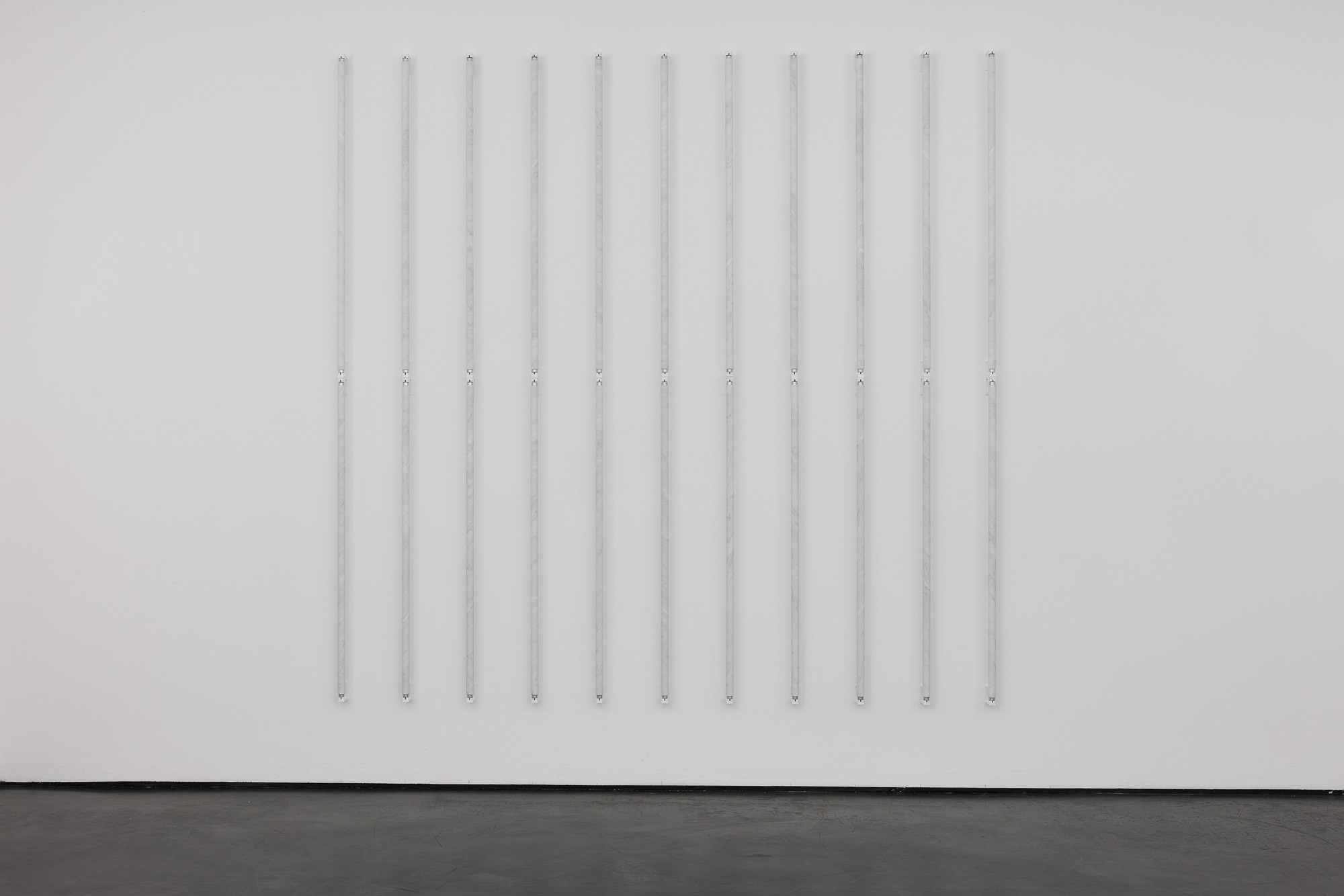
Lou Jaworski, LA GAMMA-ULTRAVIOLET MAGNET EDIT, 2025, handcut Carrara marble and aluminum, 22 parts 252 x 250 x 7.5 cm, courtesy of max goelitz, copyright the artists, photo: Frank Sperling
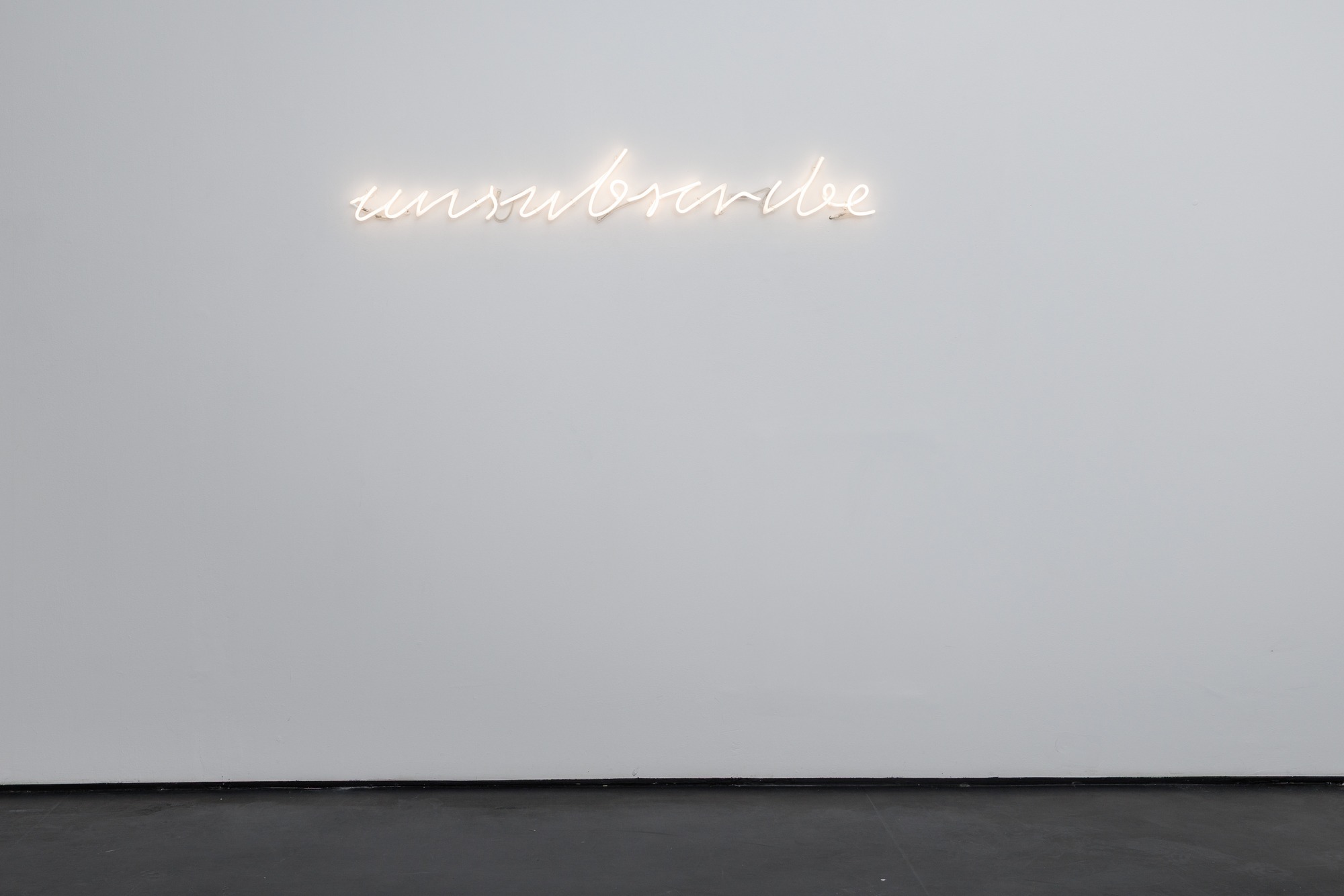
Lou Jaworski UNTITLED, 2025, neon, 127 x 16 cm, courtesy of max goelitz, copyright the artists, photo: Frank Sperling
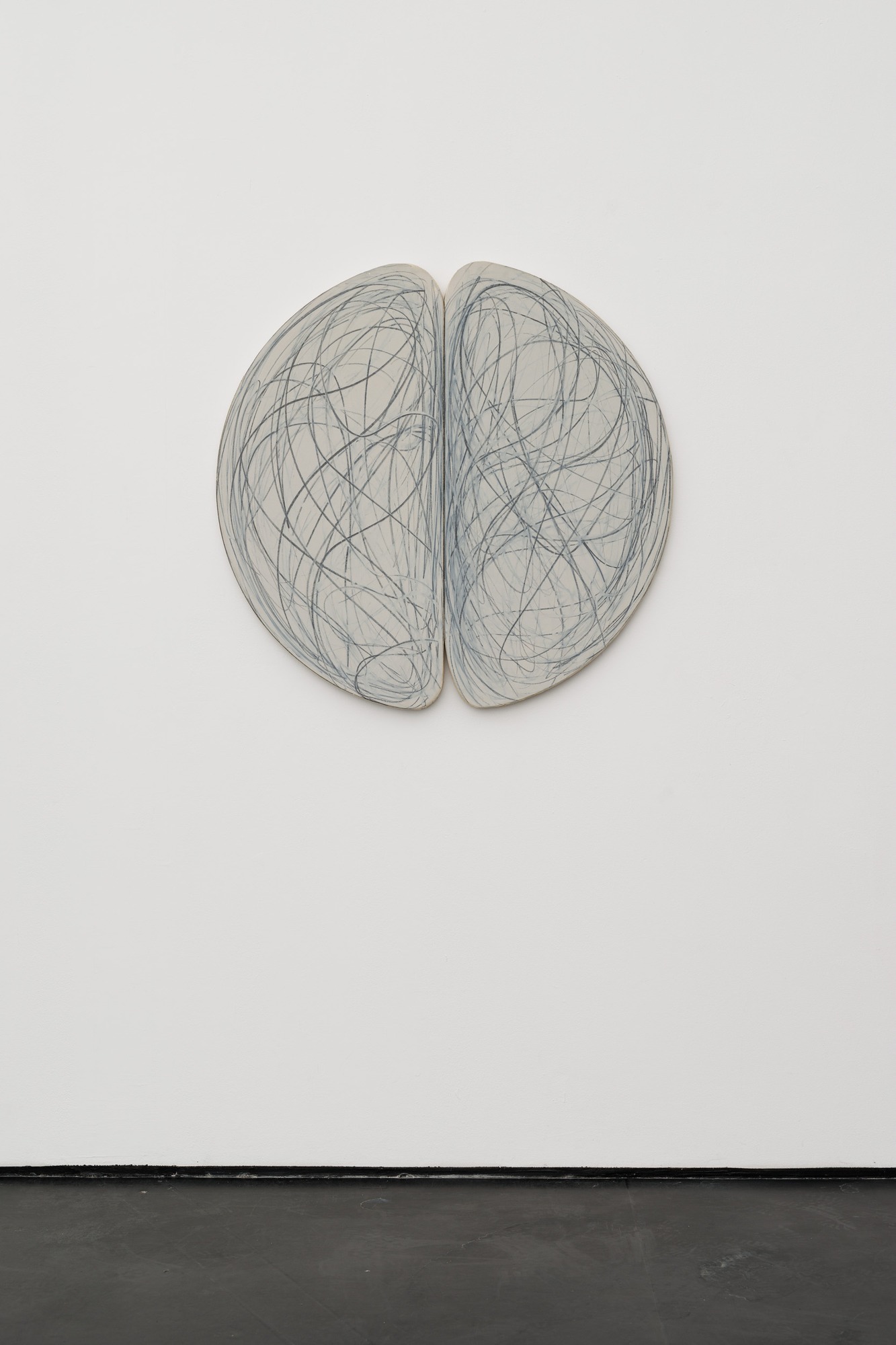
Gary Kuehn, Untitled (Gesture Project), 1989, oil and graphite on canvas, 90 x 90 cm, courtesy of max goelitz, copyright the artists, photo: Frank Sperling
With objects in mirror are closer than they appear, max goelitz presents a dual-site group exhibition in Berlin and Munich that investigates variations, shifts, and feedback loops as both formal and conceptual principles. The works emerge from processes of reflection, translation, and repetition, forming cycles in which perception, consciousness, and material continuously transform one another.
The title borrows from the familiar warning on rearview mirrors, reminding us that perception and reality do not always align. In this context, it becomes a metaphor for the fleeting nature of the visible, where material, meaning, and medium merge, and observation itself turns into an act of transformation.
Positions from the 1970s that were formative for the development of Process Art engage in an open dialogue with contemporary approaches to the mutability and autonomy of the artwork. Gary Kuehn and Michael Venezia represent a generation that radically questioned and expanded the language of abstraction, negotiating a delicate balance between formal rigor and procedural openness. In contrast, the younger artists Lou Jaworski, Sophronia Cook, Dorota Gawęda & Eglė Kulbokaitė, and Nicolás Lamas intertwine material, body, language, and technology, exploring new territories between tangible presence and digital projection.
The exhibitions are unified by an architectural design of matte stainless steel panels that subtly refract light, movement, color, and space. Within these reflective environments, the artists investigate the continuous shifts in perception and meaning, while gestures, narratives, and temporalities overlap and their duplications and distortions generate complex relationships between body, material, and surroundings. Across generations and media, the two exhibitions reveal how historical approaches to process and reduction intersect with contemporary strategies of boundary-blurring, hybrid materiality, and digital mutability.
Gary Kuehn (*1939 in New Jersey, US) whose extensive oeuvre includes sculptures, paintings, collages and drawings, is one of the most famous representatives of ”Process Art“, which radically changed the concept of art in the 1960s. In his sculptures, Kuehn questions the authority of the material and thus explores the field of tension between limitation and freedom. Geometric forms are often exposed to the deforming forces of mass or kinetic energy, spatially displaced, knotted or pushed, whereby Kuehn always generates an emotional value in his formally abstract works.
Michael Venezia (1935-2025) has been developing simplified paintings since the 1960s, inspired by the art of Abstract Expressionism and created simultaneously to Minimal Art. While artist friends such as Dan Flavin and Sol LeWitt developed a sculptural oeuvre, Venezia devoted himself entirely to painting. He recognizes a material quality in color and develops a systematic painting technique using spray guns, for which he is considered a pioneer. By spraying liquid material consisting of acrylic emulsion and metal pigments, he reduces the gestural aspect of painting and focuses on the independence of color, which develops from a simple impulse.
Lou Jaworski (*1981 in Warsaw, PL) follows a post-minimalist approach with a reduced visual language in his sculptures, installations, and prints. By using metaphorically or physically charged materials such as marble, ferrite magnets, graphite, and meteorites, he achieves a timeless and universal level in his work. Jaworski explores the potential of materials as repositories of knowledge, which in his works usually unfolds both mystical and digital references. The artist understands his works to be amplifiers of architectural elements and material properties, as well as trains of thought and energies.
Sophronia Cook (*1992 in Sanger, US) combines painting, sculpture, and printmaking techniques to create intricate, multi-layered works where the repetition of forms and textures becomes a defining characteristic. Drawing inspiration from everyday objects, natural phenomena, and personal memories, she places strong emphasis on the physical properties of her materials. Utilizing techniques such as frottage and mold casting, Cook develops a unique visual language that feels organic, intuitive, and often spontaneous.
Dorota Gawęda (*1986 in Lublin, PL) and Eglė Kulbokaitė (*1987 in Kaunas, LT) work as an artist duo in the fields of performance, sculpture, painting, installation, and video. Their practice explores the intersection of technology, gender and language. Known for their multimedia works, which often adopt feminist and queer perspectives, they examine the construction of identity and collective memories in the digital age. Their works are influenced by speculative narratives, science fiction, and cyberfeminism, frequently opening up alternative realities where new possibilities of being and perception are conceived.
The title borrows from the familiar warning on rearview mirrors, reminding us that perception and reality do not always align. In this context, it becomes a metaphor for the fleeting nature of the visible, where material, meaning, and medium merge, and observation itself turns into an act of transformation.
Positions from the 1970s that were formative for the development of Process Art engage in an open dialogue with contemporary approaches to the mutability and autonomy of the artwork. Gary Kuehn and Michael Venezia represent a generation that radically questioned and expanded the language of abstraction, negotiating a delicate balance between formal rigor and procedural openness. In contrast, the younger artists Lou Jaworski, Sophronia Cook, Dorota Gawęda & Eglė Kulbokaitė, and Nicolás Lamas intertwine material, body, language, and technology, exploring new territories between tangible presence and digital projection.
The exhibitions are unified by an architectural design of matte stainless steel panels that subtly refract light, movement, color, and space. Within these reflective environments, the artists investigate the continuous shifts in perception and meaning, while gestures, narratives, and temporalities overlap and their duplications and distortions generate complex relationships between body, material, and surroundings. Across generations and media, the two exhibitions reveal how historical approaches to process and reduction intersect with contemporary strategies of boundary-blurring, hybrid materiality, and digital mutability.
Gary Kuehn (*1939 in New Jersey, US) whose extensive oeuvre includes sculptures, paintings, collages and drawings, is one of the most famous representatives of ”Process Art“, which radically changed the concept of art in the 1960s. In his sculptures, Kuehn questions the authority of the material and thus explores the field of tension between limitation and freedom. Geometric forms are often exposed to the deforming forces of mass or kinetic energy, spatially displaced, knotted or pushed, whereby Kuehn always generates an emotional value in his formally abstract works.
Michael Venezia (1935-2025) has been developing simplified paintings since the 1960s, inspired by the art of Abstract Expressionism and created simultaneously to Minimal Art. While artist friends such as Dan Flavin and Sol LeWitt developed a sculptural oeuvre, Venezia devoted himself entirely to painting. He recognizes a material quality in color and develops a systematic painting technique using spray guns, for which he is considered a pioneer. By spraying liquid material consisting of acrylic emulsion and metal pigments, he reduces the gestural aspect of painting and focuses on the independence of color, which develops from a simple impulse.
Lou Jaworski (*1981 in Warsaw, PL) follows a post-minimalist approach with a reduced visual language in his sculptures, installations, and prints. By using metaphorically or physically charged materials such as marble, ferrite magnets, graphite, and meteorites, he achieves a timeless and universal level in his work. Jaworski explores the potential of materials as repositories of knowledge, which in his works usually unfolds both mystical and digital references. The artist understands his works to be amplifiers of architectural elements and material properties, as well as trains of thought and energies.
Sophronia Cook (*1992 in Sanger, US) combines painting, sculpture, and printmaking techniques to create intricate, multi-layered works where the repetition of forms and textures becomes a defining characteristic. Drawing inspiration from everyday objects, natural phenomena, and personal memories, she places strong emphasis on the physical properties of her materials. Utilizing techniques such as frottage and mold casting, Cook develops a unique visual language that feels organic, intuitive, and often spontaneous.
Dorota Gawęda (*1986 in Lublin, PL) and Eglė Kulbokaitė (*1987 in Kaunas, LT) work as an artist duo in the fields of performance, sculpture, painting, installation, and video. Their practice explores the intersection of technology, gender and language. Known for their multimedia works, which often adopt feminist and queer perspectives, they examine the construction of identity and collective memories in the digital age. Their works are influenced by speculative narratives, science fiction, and cyberfeminism, frequently opening up alternative realities where new possibilities of being and perception are conceived.